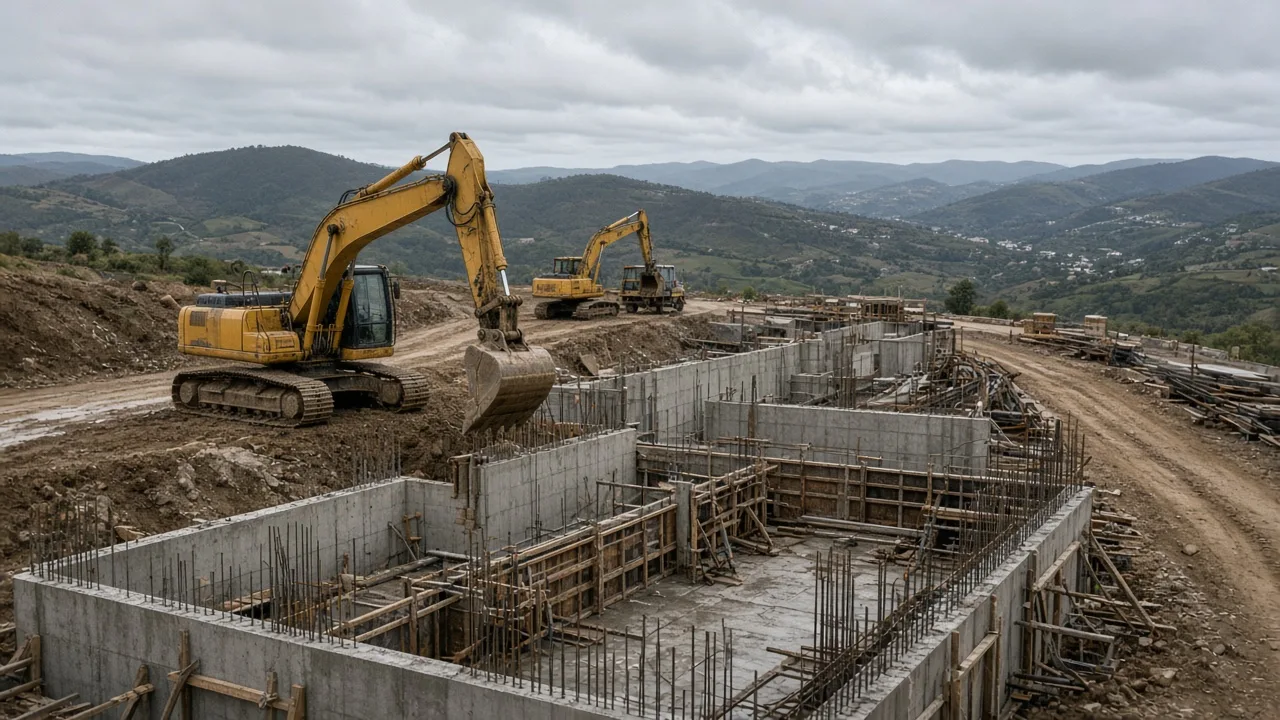
Safety is not a paperwork exercise—it is how a site is organised every day. In Portugal, construction teams are expected to plan hazards, coordinate responsibilities and keep records that show controls are live, not theoretical.
Disclaimer: This is general guidance. Legal duties depend on project roles and current Portuguese health and safety rules. Seek qualified advice for your appointment structure.
Plan before you mobilise
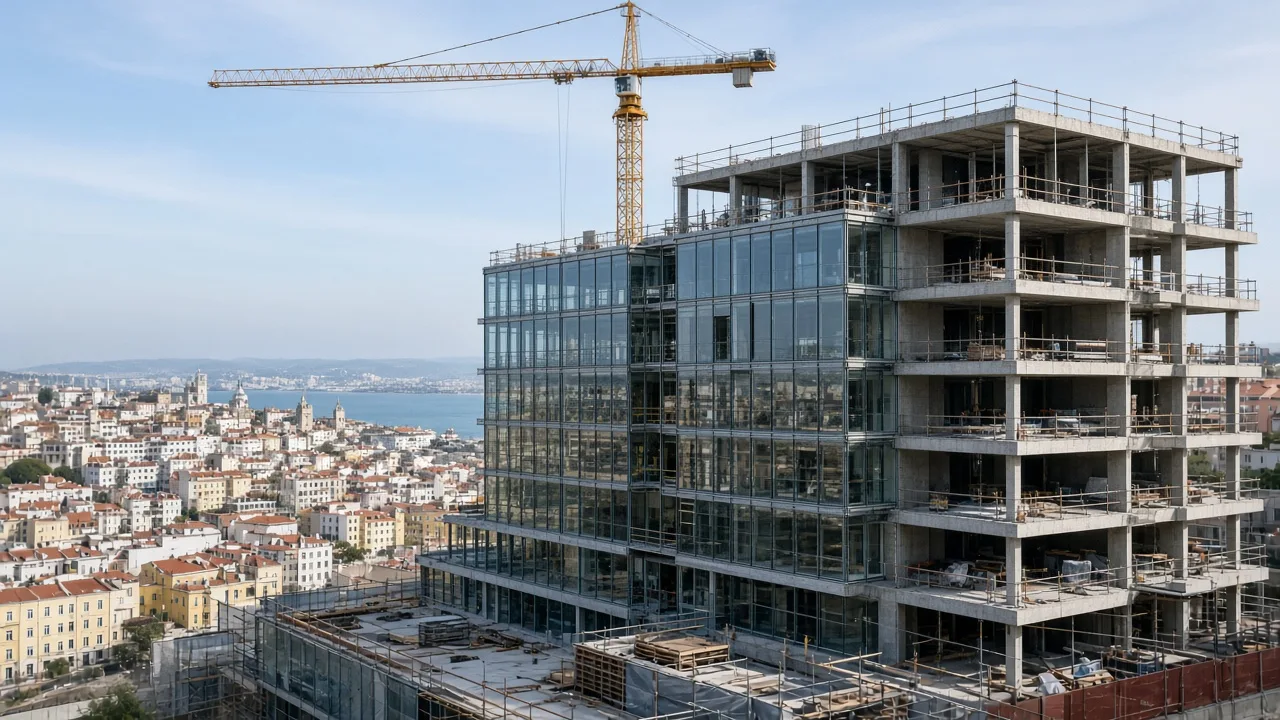
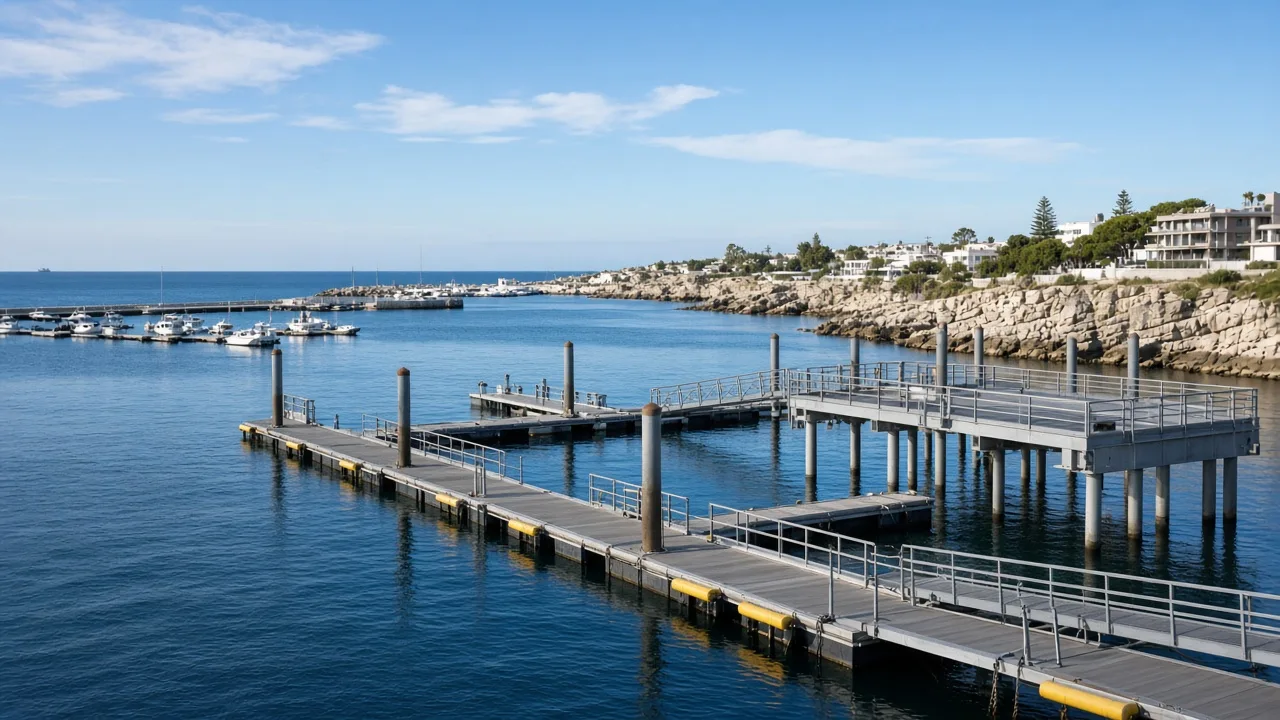
Good sites start with a clear risk assessment and method statements for high-risk activities: excavation, working at height, lifting, temporary works and marine access. Induction, PPE rules and emergency arrangements should be ready before crews arrive.
Coordination during the works
When multiple trades share a site, interfaces create risk. Daily briefings, clear access routes, protected edges and controlled plant movements keep people safe and protect programme. Supervisors should stop work when conditions change rather than improvising under pressure.
- Define who owns temporary works and lifting plans.
- Keep induction records and toolbox talks up to date.
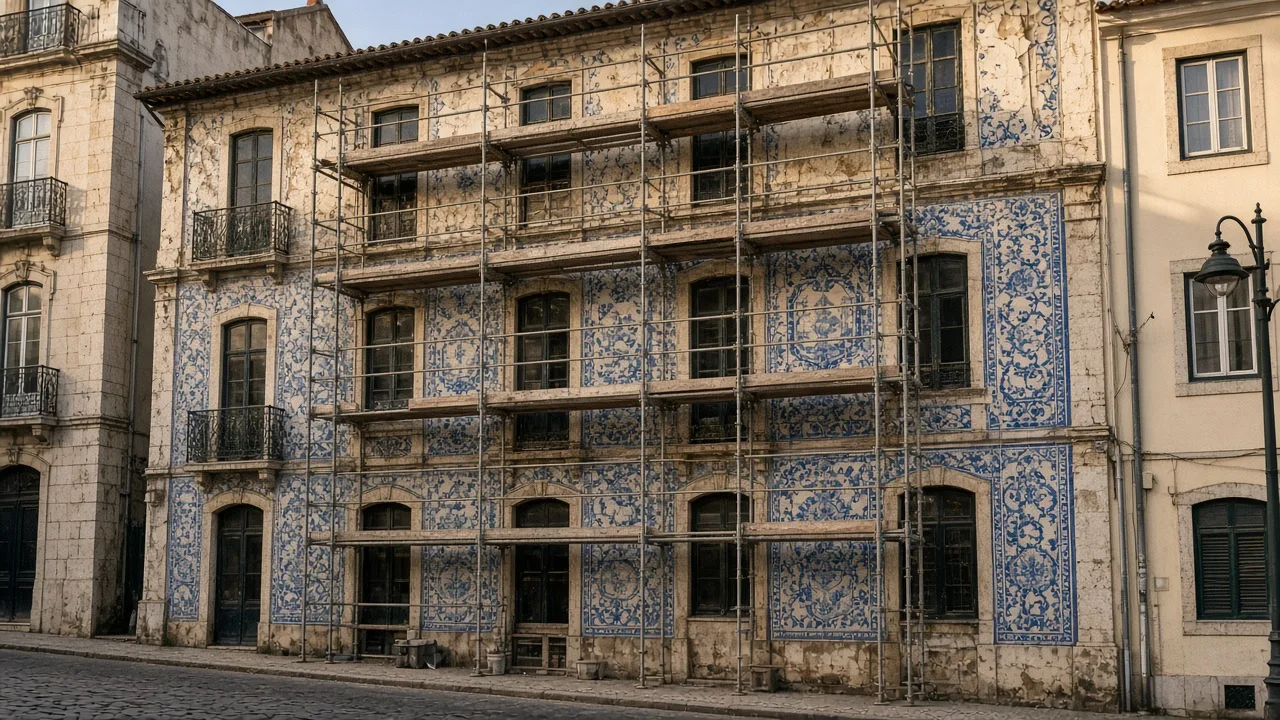
- Inspect scaffolds, excavations and lifting gear at agreed intervals.
Dinastia Colorida builds safety into delivery alongside quality and schedule. Talk to us about your site requirements via contact.
Key questions
Who is responsible for site safety?
Responsibilities depend on contractual roles. Owners, designers, contractors and coordinators may all have duties. Clarify appointments before mobilisation.