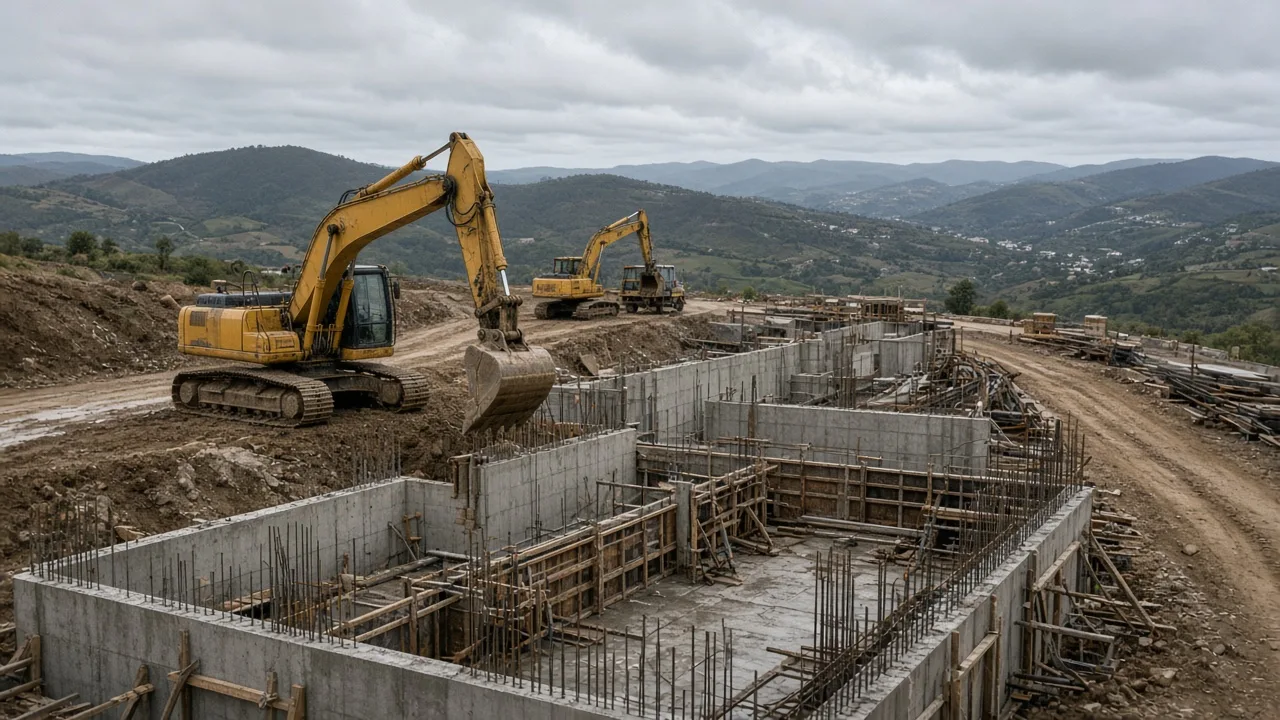

Starting a construction project in Portugal is smoother when licensing and technical information are organised early. Exact requirements vary by municipality, project type and location, so this article is general guidance—not a substitute for advice from your architect, engineer or the competent authority.
Disclaimer: Regulatory pathways differ by council and asset class. Always confirm current requirements with the competent municipality and licensed professionals for your site.
Start with a clear project brief
Owners should be ready to describe the intended use, approximate built area, whether the works are new-build or alteration, and any known constraints (heritage zones, coastal strips, flood risk or neighbouring rights). That brief helps the design team select the correct submission route and avoid late redesign.
Drawings and technical packages
Most municipal reviews expect coordinated architectural and engineering information. Typical packages include site plans, floor plans, elevations, sections, structural concepts and a summary of utilities. Incomplete drawings are one of the most common causes of delay.
- Confirm plot boundaries and existing conditions with reliable surveys.
- Align architectural intent with structural and MEP concepts before submission.
- Identify long-lead approvals that can affect programme (utilities, coastal or environmental interfaces).
What this means on site
Once permissions are in place, method statements, temporary works and safety planning should match the approved scope. Dinastia Colorida supports clients and consultants by building from approved information and keeping communication clear through construction. Explore our building construction service or contact us with your brief.
Key questions
Do all projects need the same licence pathway?
No. Pathways depend on municipality, project size, typology and location. Confirm the route with your design team and the competent authority.
Can works start before licensing is complete?
Works should only proceed when the required authorisations for that stage are in place. Starting early can create legal and programme risk.